


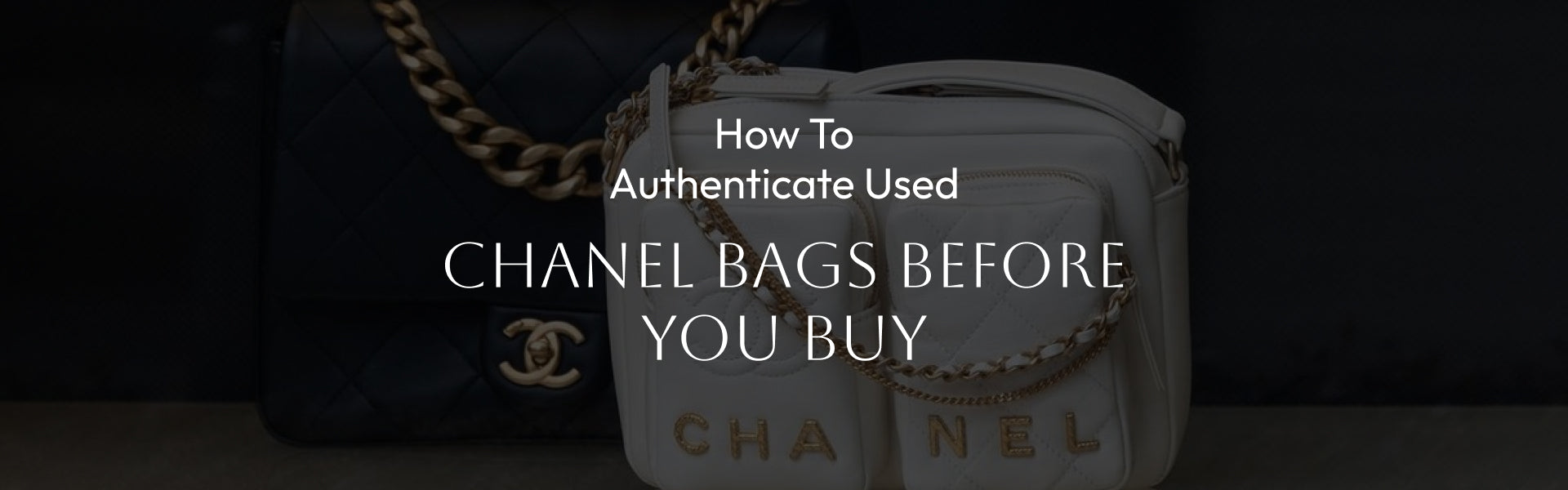
Overpaying is a mistake in buying a used Chanel but there is only one thing that spoils a used Chanel purchase. It's turning out to be a bag that is not Chanel at all. The ones circulating around at this moment are convincing enough to make someone think it's the real thing if he's not looking for the right info.
Don't have to get it right, you don't have to be an expert overnight. You will need to know just a few things that really count and you'll be able to shop with confidence rather than crossing your fingers.
What exactly is the significance of this?
One of the most copied brands in the world, Chanel's copies have become too good to be true. It was possible to tell a fake from the stitching, or from the feel of the hardware, a few years ago. The same magic is no longer in effect. While most of the obvious counterfeiting clues have been picked up by counterfeiters, it is no longer sufficient to just check one. There are some points to consider as a group.
This matters even more with a used bag. A new purchase from Chanel comes with a built-in guarantee. A used one doesn't, unless the seller has actually done the work to prove what they're handing you is real.
The Serial Number Is a Start, Not an Answer
For years Chanel bags came with a small serial number sticker inside the bag, paired with a matching authenticity card. On older pieces this is still worth checking. The number should match the card, and it should fall within the right range for that bag's production year.
Here's something a lot of buyers don't realize though. Chanel actually stopped using those stickers and cards back in 2021 and switched to a built-in microchip system for newer bags instead. So if someone's selling you what's supposed to be a current bag and it still has the old-style hologram sticker, that's worth asking about directly. It doesn't automatically mean the bag is fake. Some transitional stock did exist during the switch. But it's a detail a real seller should be able to explain without hesitating.
Either way, treat the serial number or chip as a starting point rather than proof by itself. Fakers have gotten good at copying stickers too.
Look Closely at the Hardware
Real Chanel hardware has weight to it. Pick it up and it shouldn't feel thin or hollow. The plating should be smooth and even across the piece, with no patchy discoloration and nothing that looks like it's wearing through to a different metal color underneath.
Pay close attention to the CC turn-lock especially, since it's one of the most copied parts of the bag. On an authentic piece the two C's are symmetrical, evenly spaced, and sharp at the edges. On a lot of fakes that logo is just slightly off. Maybe too rounded. Maybe uneven in size. Maybe sitting a touch too high or too low.
Check the Stitching
Chanel's quilting is known for being precise, and it's genuinely one of the harder things to replicate well. On a real bag you'll usually count somewhere around seven to eight stitches per panel, evenly spaced the whole way around. Uneven counts, loose threads, or spacing that feels slightly rushed are all worth taking seriously.
Check where the straps attach to the body of the bag too. That's a stress point on any handbag, and cheaper construction tends to show its cracks exactly there.
Trust the Leather
The feel of leather, be it classic caviar or smooth lambskin is a true hard thing to replicate well. The grain of the caviar should be even all over the bag and not in a few places. Lambskin should be soft, but not thin or plasticky to the touch.
Of course smell is important here, too, more important that people realize! The real leather has a distinct smell and this is a quality that leather alternatives can't match even in the best imitations.
Do not neglect the inside.Please don't forget the inside!
Many people focus only on the exterior and neglect the inside of the property they are buying. Be sure to inspect the lining for even stitching and clean finish. Look at how the pockets are put together. On a true bag, even those elements that are not seen every day are crafted with the same attention given to the outside. One of the things that is easier to notice once you do, is sloppy interior work.
It is appropriate to call a professional in when:It's okay to call in a professional:
If you're playing for real cash, or you simply do not feel as confident to go through all this on your own, it is truly worth paying for a professional authentication service. Companies like Entrupy or Real Authentication can review photos, and in some cases inspect the bag in person, then give you a clear result. It's a small cost next to what you'd lose buying a convincing fake.
Buying from established sellers helps here too. Reputable consignment boutiques and resale platforms usually build authentication into their process already, so a lot of this legwork has been done before the bag ever gets listed.
A Few Habits Worth Keeping
Be specific about how the bag was authenticated, and don't accept mumbo-jumbo. Before committing to anything, request close, clear images of the hardware, stitching and inside. If possible, look at the bag in real life, as photos do not always do them justice. If the seller becomes defensive or shady as soon as you start questioning, this is another response.
The Bottom Line
While it takes just a bit of patience to authenticate a used Chanel bag, it's not a difficult process once you know what to look for. Verify chip or serial number. Take a close look at hardware and stitching. Take the word of the leather for its feel and smell. Don't skip the inside of the bag. And when you're unsure, get a second opinion from someone who does this for a living. That bit of extra care up front is what turns a genuinely great find into something you actually keep, instead of an expensive lesson.


 info@mayasbrandstudio.com
 Office 1861, Tamani Art Building, Business Bay, Dubai.
 +971 56 101 7766


